
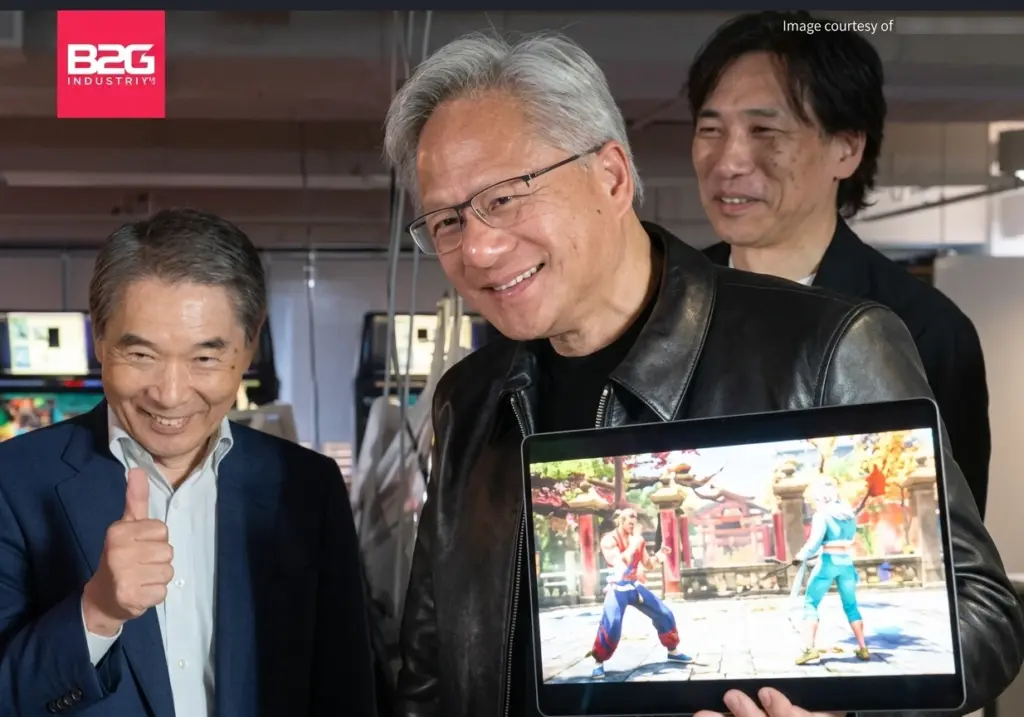
So Jensen Huang was in Tokyo for two days last week, and honestly, what started as a low-key anniversary event turned into one of the bigger tech stories of the month. By the time he flew out, half of Japan’s industrial base seemed to be lining up behind Nvidia. That’s the short version of Jensen Huang’s Japan visit, but there’s a lot more worth unpacking underneath it.
Let’s back up a bit. Also Read How to check phone is original or fake?
Table of Contents
It Started as a Nostalgia Trip
Huang didn’t fly to Tokyo to sign deals, at least not officially. The stated reason was Nvidia’s 30-year relationship with Sega, the Japanese gaming company whose investment back in the 1990s basically kept Nvidia’s lights on during a rough stretch. There was an event in Akihabara, old executives swapping stories, that kind of thing. Nice, sentimental, low stakes.
Except it didn’t stay low stakes for long. Within a day or two, Huang was meeting with Japan’s economy minister. Then robotics executives. Then people from Toyota. By the end of it, Jensen Huang’s Japan visit had turned into something closer to a full industrial tour than a birthday party for an old partnership.
That’s really the story here how fast this thing escalated. What Huang calls “physical AI” (his term for AI that runs machines and robots instead of just answering questions) needs a manufacturing partner, and Japan, it turns out, was exactly the kind of partner he came looking for. Also Read How to Integrate AI Recruiting Tools with ATS: A Practical Guide for 2026
The Actual Deals
Okay, here’s what actually got signed, or at least announced, because with these things there’s usually a gap between the two.
First up is Noetra. It’s a Japanese AI developer, and Nvidia is now backing its work on a reasoning model built for the Japanese language specifically, not just translated over from English. Supposedly that lands later this fiscal year. There’s a longer roadmap too a model covering text, video, images, and audio by 2028, and after that, something meant to actually run robots, which they’re aiming for by 2030. Nvidia also brought up a computing buildout it’s calling the Vera Rubin AI Factory, also pegged for around 2028. A lot of dates clustering around the same year, which either means good planning or a lot of wishful thinking. Hard to say yet.
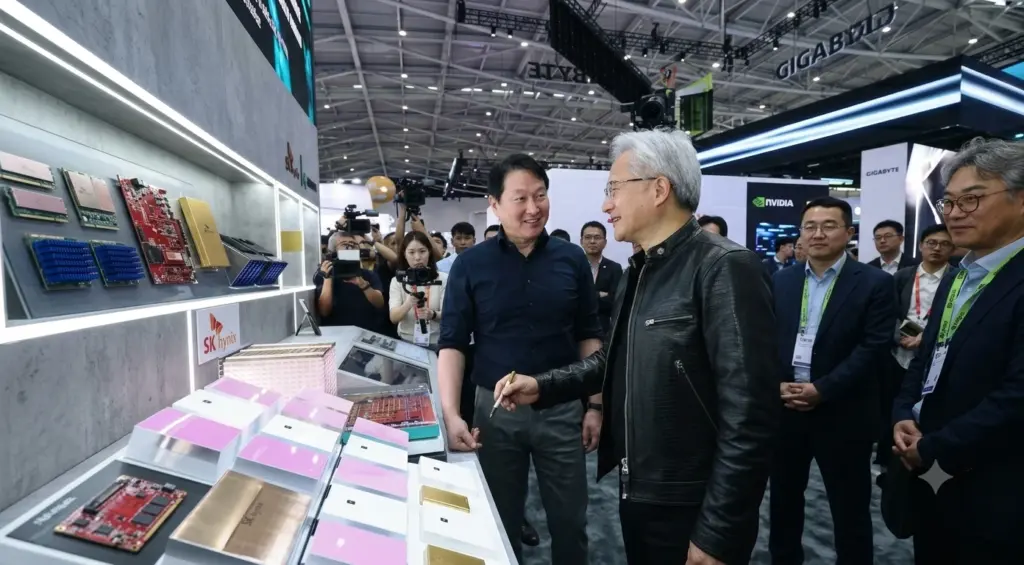
Then there’s robotics. Fanuc, Yaskawa Electric, and Kawasaki Heavy Industries are now working with Nvidia’s Cosmos platform, and these three alone run a massive share of the world’s factory machinery. This is really the interesting part, honestly. Nvidia isn’t just trying to sell chips to these companies anymore — it wants its simulation software baked into the machines themselves, the ones actually doing the welding and assembling and moving parts around.
Toyota’s in the mix too, though this one’s less new. They already run Nvidia’s Drive platform in their cars. What’s changed is that the relationship is spreading into the factories how production lines get designed, how traffic systems get modeled, stuff like that. More of this will probably come out over the next several months, so keep an eye on Toyota’s announcements specifically. Also Read How the First AI Run Ransomware Attack Still Needed a Human
Why This Is Getting So Much Coverage
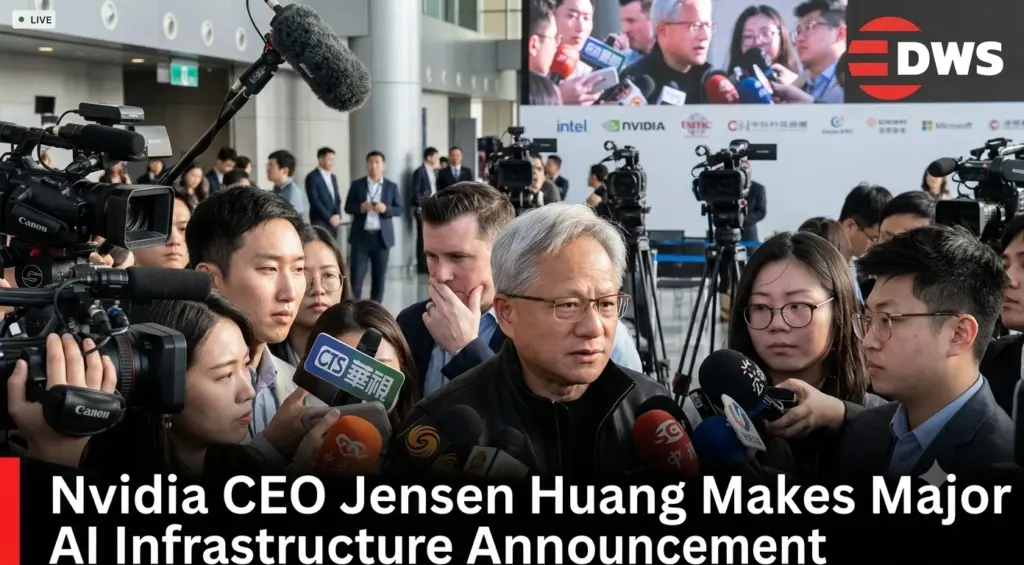
A good chunk of it comes down to timing, if you ask me. Huang had already hit Taiwan and South Korea before this, and in the weeks leading up to Tokyo, there was a real narrative building that he was avoiding Japan on purpose. A few outlets even ran with “Japan passing” as a phrase. Fair or not, that criticism existed, and showing up in Tokyo with this much substance behind him was a pretty direct answer to it. Jensen Huang’s Japan visit put that criticism to bed pretty fast, and did it with more substance than a lot of people expected.
But there’s a bigger point buried in here too. Japan’s been a manufacturing powerhouse for decades but has lagged behind in the software side of AI. Nvidia’s whole pitch is that Japan doesn’t need to win that race — it just needs to bring its manufacturing expertise into a world where machines are getting smarter. That framing lines up with everything that came out of this trip.
What’s Actually Worth Watching Now
None of what got announced during Jensen Huang’s Japan visit is locked in yet. A few things to keep an eye on:
- Whether Noetra ships its language model on time, or slips like a lot of ambitious AI timelines do
- How quickly Fanuc, Yaskawa, and Kawasaki move past “partnership announced” and into actual deployed products
- Whether Toyota sees real gains from Nvidia’s tools on its factory floors, or whether this stays mostly on paper
- Whether Japan’s government treats this as a one-time win or starts actively courting more chip executives the same way
Look, big announcements from high-profile visits fall apart all the time. That’s just how it goes. Japan’s corporate world moves carefully, sometimes painfully so, and a signed partnership today doesn’t mean much until there’s an actual product running on an actual factory floor. But even with that caveat, this trip covered a lot of ground for two days AI infrastructure, robotics, cars, chip supply. Say what you want about how much of this is genuine follow-through versus PR, but Jensen Huang’s Japan visit is probably going to end up as one of the bigger stops on his Asia swing this year. Whether any of it sticks is a question for next year, not this one.