
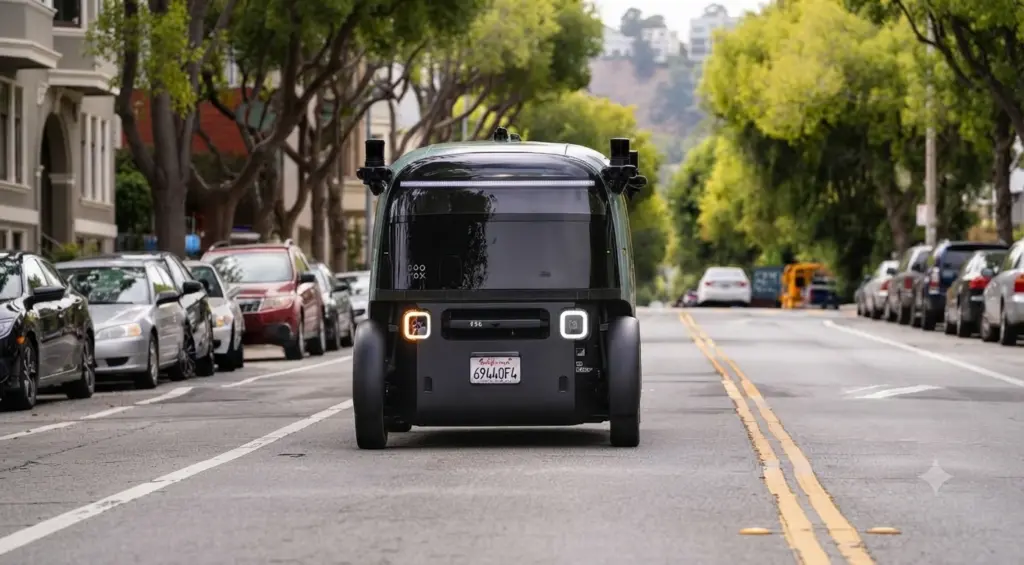
An unoccupied car drove straight into a wall of smoke outside Las Vegas, and now Zoox Robotaxi Issues Software Recall is the line making the rounds in every autonomous vehicle news feed this week. Federal regulators got the details straight from the company, and honestly, reading through the filing, it’s a little unsettling how close this came to going a lot worse than it did. Also Read AI-Powered Travel Agency Fora Hits Unicorn Status, Raises 60M Dollars
Table of Contents
What Happened on June 20
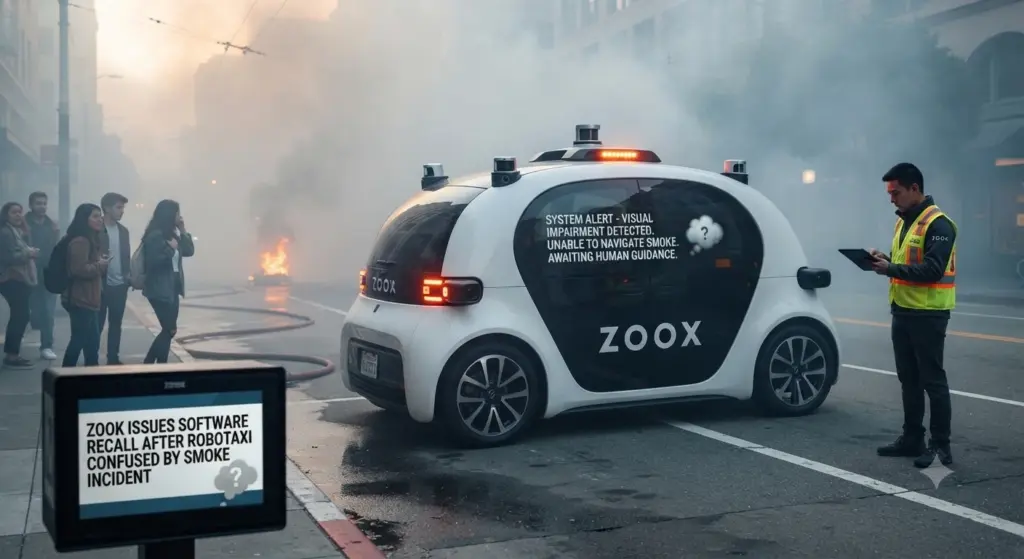
No passengers. No driver. Just a Zoox vehicle rolling toward what turned out to be an active fire scene, and nobody had even put the traffic cones up yet. The smoke was that thick. Per the federal recall report, the car went in, braked hard, tried steering away, and eventually just stopped. A teleoperator basically someone watching remotely and controlling the car from a distance took over from there and backed it out. Right after that, first responders finally got their cones set up.
Nobody got hurt, according to Zoox. No indication anyone came close either. But it was enough of a scare to trigger Zoox Robotaxi Issues Software Recall, since both the regulators and the company agreed something needed fixing before it happened again somewhere with actual pedestrians nearby.
Why Zoox Robotaxi Issues Software Recall Matters Right Now
The timing here isn’t random. Just a week before this recall went public, NHTSA’s administrator, Jonathan Morrison, sent a pointed letter to basically every self-driving car company operating in the country. He laid out a pattern driverless cars getting in the way of firefighters, cops, ambulances, missing flashing lights, flares, smoke, cones, the whole list. His point was blunt enough: an autonomous vehicle that can’t handle first responders safely is dangerous for everyone else too.
So this recall isn’t happening in a vacuum. It’s landing right in the middle of a much bigger fight regulators are having with the entire industry right now.
The Fix Zoox Rolled Out
Between June 22 and July 8, engineers worked through the root cause and built a software update meant to help the system actually notice heavy smoke, especially near an active emergency scene. Zoox framed it as building on capability the cars already had they could already spot emergency scenes in general, and now that same logic extends specifically to smoke.
While the update was still being built, Zoox put a temporary workaround in place — just have the cars avoid driving near active fire scenes altogether until the real fix shipped. Basic stopgap, but at least it shows they weren’t waiting around doing nothing in the meantime.
The recall covers all 105 of Zoox’s purpose-built robotaxis on public roads right now. It doesn’t touch the separate fleet of retrofitted vehicles the company still uses for testing. Zoox told regulators this was the only time anything like this has happened, and that call came after back-and-forth conversations with NHTSA about how often it could realistically occur again and how bad it might get.
A Pattern Bigger Than One Company
This isn’t Zoox’s first recall either. Back in May 2025, the company recalled its software after one of its cars hit a passenger vehicle in Las Vegas. Two recalls inside about a year isn’t a great look on paper, though it’s worth pointing out Zoox is scaling up fast too free rides in Vegas and San Francisco, limited service now in Miami and Austin, testing running in six more cities. More cars, more roads, more chances for something to go sideways.
Zoox Robotaxi Issues Software Recall also connects to a question hanging over Waymo and every other robotaxi company right now. Emergency scenes are messy by design smoke drifting around, lights flashing, people wandering past barriers that aren’t even up yet. Getting software to handle that kind of chaos is a much tougher ask than handling a regular four-way intersection with painted lane lines.
What Comes Next
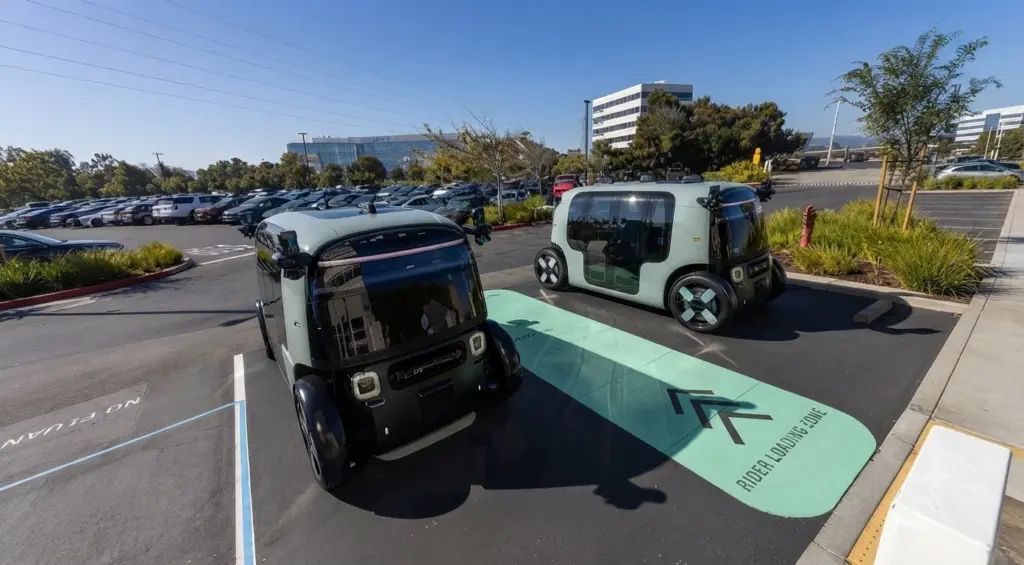
Right now, every one of the 105 vehicles in Zoox’s active fleet has the updated software running, and the company insists the fix actually improves smoke detection near emergencies instead of just quietly covering up the June incident. NHTSA has said it intends to keep pushing autonomous vehicle companies toward tighter safety standards, particularly around how these cars behave near first responders.
Nobody knows yet whether this recall closes the book for regulators or just becomes one more item on a growing list. Either way, Zoox Robotaxi Issues Software Recall lands at a moment when the whole self-driving industry is under real pressure to show its cars can handle the messy stuff that never shows up cleanly in a training simulation.