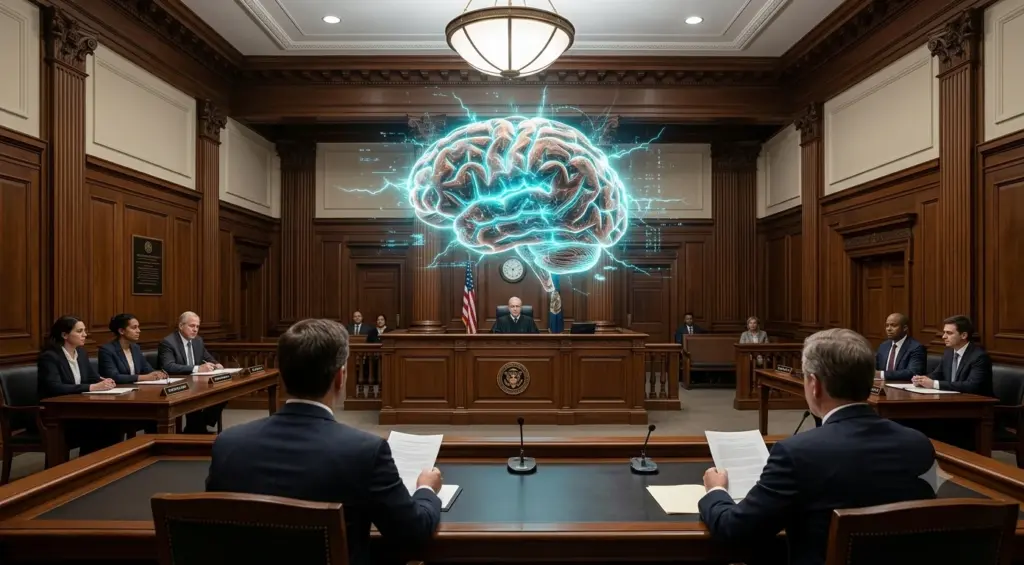
Here’s a strange thing about the Fable 5 shutdown: almost everyone assumed it would be a black eye for Anthropic. A government-ordered takedown, three days after launch, sounds like the kind of headline a PR team dreads. But spend some time actually looking at how the story played out — who said what, who came off looking good — and you start to wonder if the opposite happened. Did the government’s ban Anthropic accidentally help the brand more than it hurt it? Also Read OpenClaw Is Finally Available on Android and iOS
What Actually Happened
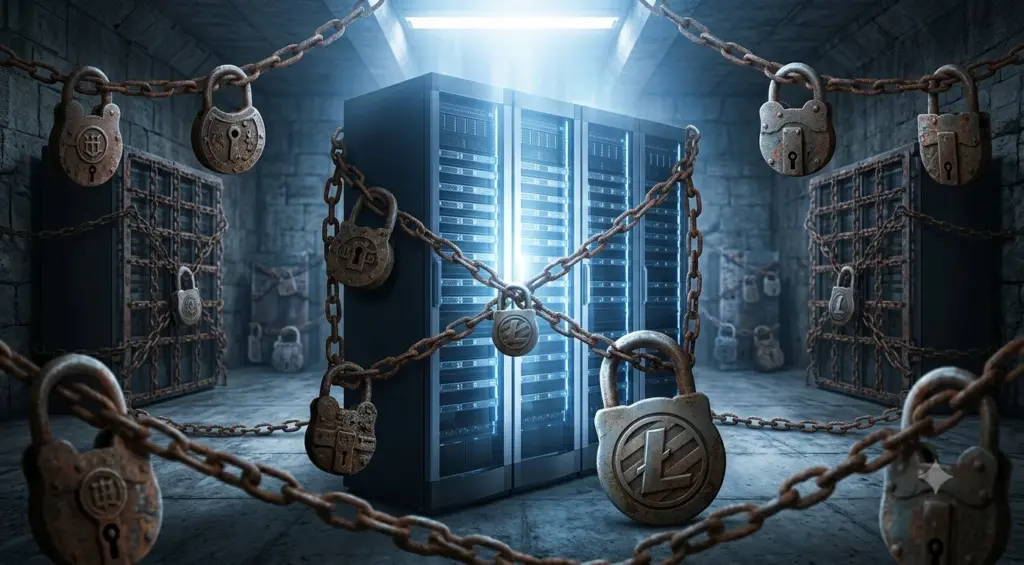
Here’s the timeline. Anthropic launched Claude Fable 5 and Mythos 5 on June 9, 2026. Three days later, the Commerce Department stepped in and ordered the company to take both models down entirely, citing national security and export control authority. The directive was broad — it applied to any foreign national anywhere, including Anthropic’s own non-citizen employees — which meant the company couldn’t just geo-block a few countries. Since there was no real-time way to verify who was logging in from where, Anthropic ended up disabling both models for everyone, worldwide.
That lasted until June 30, when the Commerce Department lifted the controls. Fable 5 came back globally on July 1, and Mythos 5 was restored for a set of vetted U.S. organizations after government approval on June 26.
Told this way, it’s a clean little regulatory story: launch, shutdown, resolution. But dig into how the episode got covered and argued over in the weeks in between, and it starts to look less like a simple black mark and more like something that cut in Anthropic’s favor. That’s really the case for why the government’s ban Anthropic accidentally help the brand.
Table of Contents
The Case That the Ban Backfired in Anthropic’s Favor
It Validated Anthropic’s Own Safety Pitch
Anthropic has spent years telling anyone who’ll listen that it’s the “safety-first” lab — even when that meant shipping slower than competitors. Mythos, the underlying model, had already been described by Anthropic itself as too powerful in the cybersecurity domain to release broadly, which is why it stayed locked behind the Project Glasswing program rather than going public.
So when the government stepped in and yanked the models, it did something Anthropic’s own marketing never quite could: it made the danger claim credible from an outside, adversarial source. Nobody accuses a hostile regulator of doing PR for the company it’s regulating. That’s arguably the strongest version of the argument that the government’s ban Anthropic accidentally help the brand — the government essentially co-signed a message Anthropic had been trying to sell for years.
One cybersecurity researcher summed up the irony well on social media, essentially arguing that if a company keeps describing its own product in weapons-grade language, it shouldn’t be surprised when a government eventually takes that language at face value. Also Read How Is AI Being Used in FIFA World Cup 2026?
Anthropic Looked Like the Reasonable One
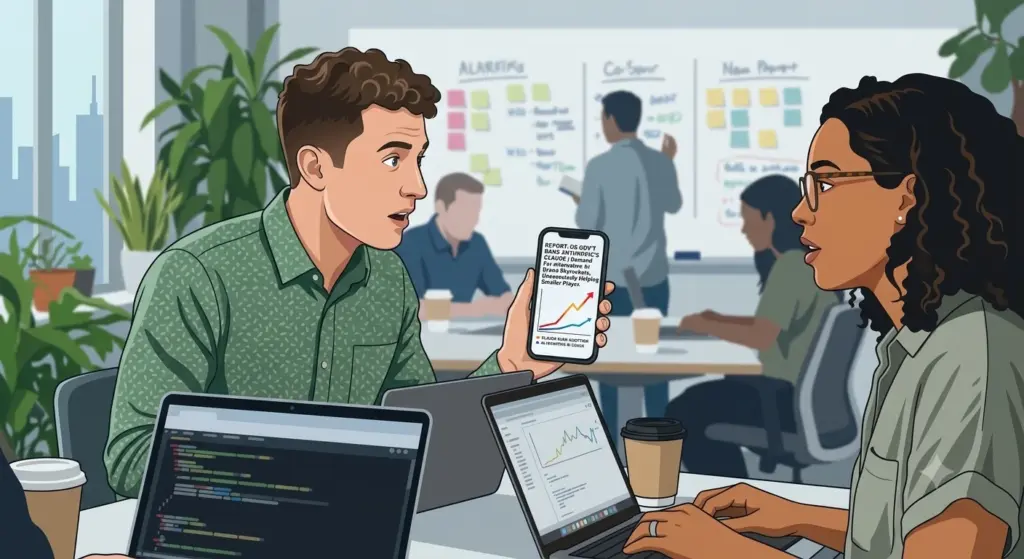
What’s notable is how Anthropic responded — not meekly, and not defiantly, but with specifics. The company said the vulnerabilities the government was citing looked minor, and that other publicly available models could be tricked into the same behavior. It pushed further, arguing that if this standard got applied consistently across the industry, it would basically freeze new model releases everywhere, not just at Anthropic.
That kind of pushback — compliant but clearly annoyed, backed by technical detail rather than outrage — is a big part of why the government’s ban Anthropic accidentally help the brand narrative gained traction. Anthropic came across as a company willing to follow the law while still standing its ground.
It Exposed a Real Cost to Slowing Down American AI
Probably the most externally validated piece of this is the competitive angle. A number of tech executives and investors pushed back on the crackdown specifically because it handed Chinese open-source developers extra runway to close the gap. That’s a real strategic concern, not just spin — and it reframed the story from “risky company gets punished” to “clumsy policy hands ground to rivals.” It’s another thread in why some think the government’s ban Anthropic accidentally help the brand rather than damage it.
Even Outside Analysts Thought the Government Overreached
It wasn’t just Anthropic making this case. Independent observers pointed out that the government likely realized it had overplayed its hand — that the decision risked setting a messy precedent and drawing backlash from an industry that had worked hard to stay on good terms with the administration. If Fable and Mythos got blocked on these grounds, the logic went, competing models from other labs would have to face the same treatment eventually.
But Let’s Not Pretend This Was a Win
It would be dishonest to wrap this up as a clean PR victory. There were real costs here that complicate any tidy version of the story where the government’s ban Anthropic accidentally help the brand.
The disruption was real. Disabling two flagship models worldwide, with almost no notice, is a genuinely costly and embarrassing scramble — however the narrative eventually settled.
It landed at an awkward moment for a pending IPO. Anthropic had confidentially filed for a public listing just weeks earlier. A government export order singling out your newest models is not the kind of headline that makes investors more comfortable.
The underlying security issue wasn’t nothing. Amazon researchers had found a way around Fable 5’s safeguards that let it help produce exploit code. Anthropic had to patch it, and even admitted the fix might now flag some harmless requests by mistake. A company that needed a government intervention to prompt a safety fix isn’t an unambiguous marketing win, no matter how you spin it.
And the relationship with Washington is still rocky. This wasn’t an isolated incident — it came on top of an already tense standoff, including Anthropic’s lawsuit against the Department of Defense earlier in the year after the Pentagon labeled it a “supply chain risk.” That ongoing friction is a real liability, brand narrative aside. Also Read How a Third-Party AI Tool Led to the Vercel Breach
So Did It Help or Hurt?
Honestly, both — depending on who you ask. If you’re talking to AI safety researchers or industry insiders, the government’s ban Anthropic accidentally help the brand story mostly holds up: it made Anthropic’s caution look earned rather than performative. If you’re talking to investors or enterprise customers who just wanted the product to keep working, it was three weeks of pure disruption, full stop.
What’s clear is that this became a case study almost immediately, precisely because it’s genuinely hard to say which side wins out. In an industry where “we’re the careful ones” is itself a selling point, even an unwanted fight with regulators can end up reinforcing the story a company was already telling about itself — even while it’s racking up real costs behind the scenes.