
so my roommate asked me this the other night, half joking, half not — is it true that Netflix invented binge watching, or has it basically eaten itself by now. and I didn’t have a great answer off the top of my head so I went and actually looked into it a bit. here’s what I got. Also Read How to Reserve and Change WhatsApp Username
short version: yes and also kind of no.
Table of Contents
Did Netflix Really Invent Binge Watching?
Netflix didn’t invent watching a lot of TV in one sitting. That’s older than Netflix by a long shot. Anyone who owned a DVD box set of The Wire or The Sopranos back in like 2005 knows you could absolutely burn through six hours of television on a rainy Saturday, no streaming required. My dad did this with Band of Brothers, multiple times, on actual discs, getting up to swap them out. That’s binge watching too, just clunkier.
What Netflix actually did was different. February 2013, House of Cards, all thirteen episodes up at once. That was new. Nobody had done that at that scale before – a real budget, real actors, and the entire season just… there, all at once, midnight, go. That’s the moment people usually mean when they say Netflix invented binge watching. Not the behavior itself, but making the behavior the default, built into the product on purpose.
Why the Binge Model Worked So Well at First
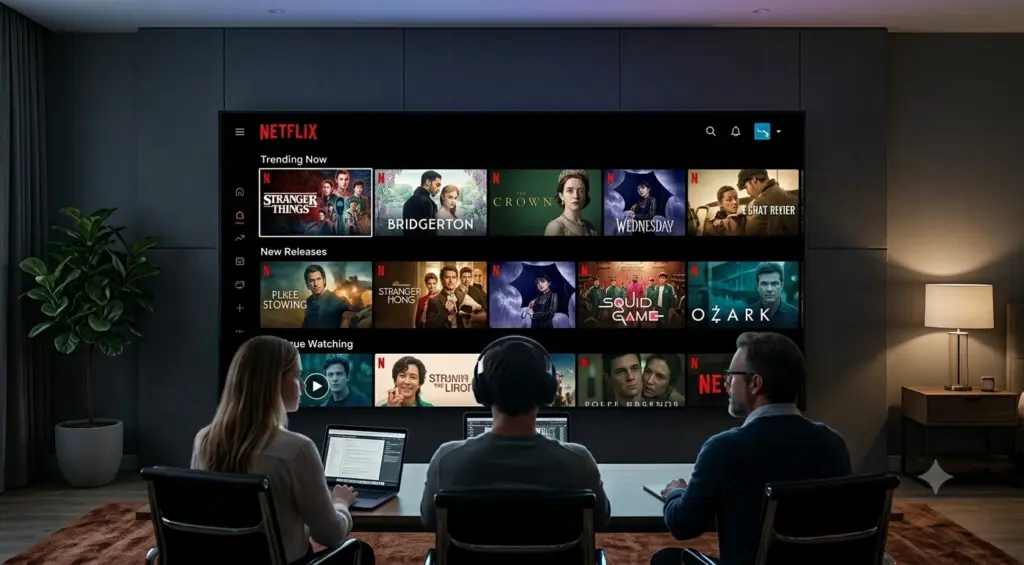
And for a while it worked stupidly well. This was back when Netflix’s real competition was still cable TV – appointment viewing, ads every ten minutes, waiting seven days to find out what happens next. Against that, dropping a whole season felt like Netflix was on your side almost. You watched when you wanted. You didn’t have to remember Thursday was “the day.” Orange Is the New Black blew up basically overnight because everybody watched it around the same weekend and then argued about it online together. Stranger Things did the same thing a few years later. That’s the whole Netflix invented binge watching story, more or less – it wasn’t just a feature, it became the identity of the company for the better part of a decade.
Okay but here’s where it gets messier.
Why Netflix Might Be Outgrowing Its Own Invention
The competition today isn’t cable. It’s not even really other streamers anymore, not primarily. It’s TikTok. It’s YouTube. It’s fifteen-second stuff and ten-minute microdramas people watch standing in line at Chipotle. Compared to THAT, a ten-episode season all at once doesn’t feel like a treat, it feels like a chore you’re supposed to schedule a weekend around. Nobody wants homework from their TV anymore, or at least a lot fewer people do.
There’s also just, money. If someone finishes a whole season in three days, there’s nothing keeping them subscribed on day four. Netflix has apparently noticed some of its bigger shows losing more than half their audience by season two, which is not a small number, that’s a huge drop. So the binge model, the thing Netflix invented, might genuinely be working against Netflix now in terms of keeping people paying month after month. Also Read How to Reserve and Change WhatsApp Username
Netflix Is Already Quietly Changing the Formula
Funny thing is Netflix already knows this, I think, even if they don’t say it outright. Look at what’s actually happened with their big shows the last couple years – Stranger Things got split into parts, so did Ozark, You, Money Heist, Bridgerton. Cobra Kai’s last season came in three separate batches instead of one drop. Love Is Blind still comes out weekly on purpose, because that’s what gets people talking about it in real time instead of everyone finishing it on different days and the conversation just… not happening.
So Is Binge Watching Actually Dying?
Not really, no, I don’t think that’s quite it. Netflix still drops something like two out of every three of its original shows all at once, even right now. Younger viewers especially still seem to prefer having the whole thing available whenever they feel like watching. It’s less “binge watching is dead” and more “it stopped being the only move Netflix has.”
Which, honestly, tracks with how these things usually go. Netflix invented binge watching back when it needed one big loud thing to make people notice it was different from cable. Now that literally every platform streams everything, just having a season available all at once isn’t special, it’s just expected, it’s the floor not the ceiling. So Netflix has had to get more selective and mix things up depending on the show.

The Real Answer
Anyway, to actually answer the question – both things are true at the same time, weirdly. Netflix invented binge watching in the sense that matters, it took something people already sort of did and turned it into the default expectation for basically everyone who streams TV now. But it’s also clearly outgrown treating that as the only tool it’s got. The same company that built its whole reputation on dropping full seasons at midnight is now quietly doing weekly releases, split seasons, whatever fits a given show better. Also Read Which AI Tool Is Best for Interview Preparation in 2026?
Maybe that’s just what happens to any big idea eventually – it stops being the exciting new trick and becomes one option among a bunch of others. Netflix invented binge watching, and now it’s kind of figuring out, show by show, when that’s actually still the right call and when it isn’t.