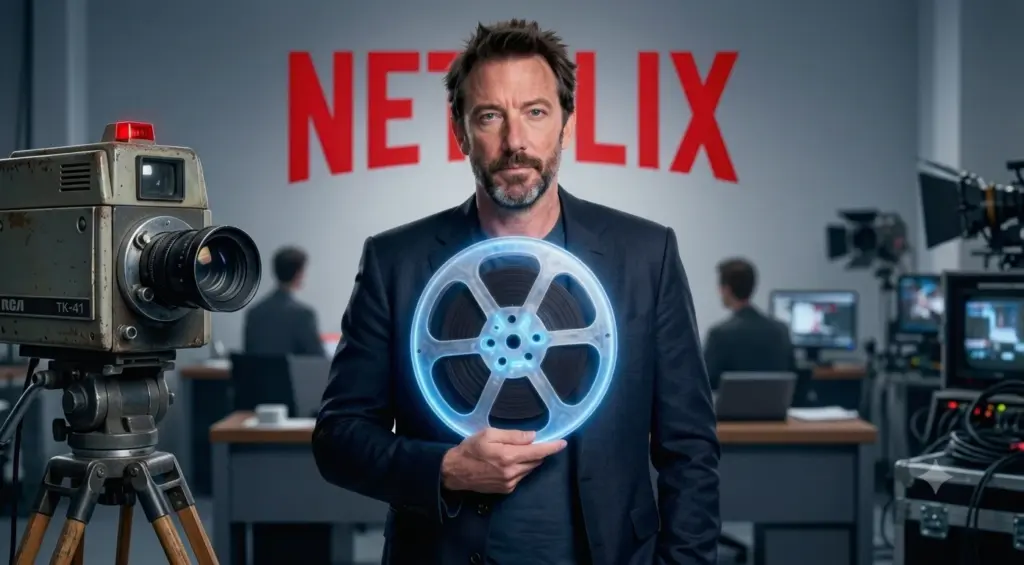
Half a billion dollars for a 16-person company nobody had heard of a year ago. That’s basically the headline here. Netflix Pays for Ben Affleck’s AI Filmmaking startup InterPositive, and thanks to a new SEC filing, we finally know the real number behind a deal that’s been the subject of speculation since March. Also Read PixVerse Raised $439M Valuation: Inside the AI Video Startup’s Unicorn Moment
Table of Contents
What Netflix Actually Bought
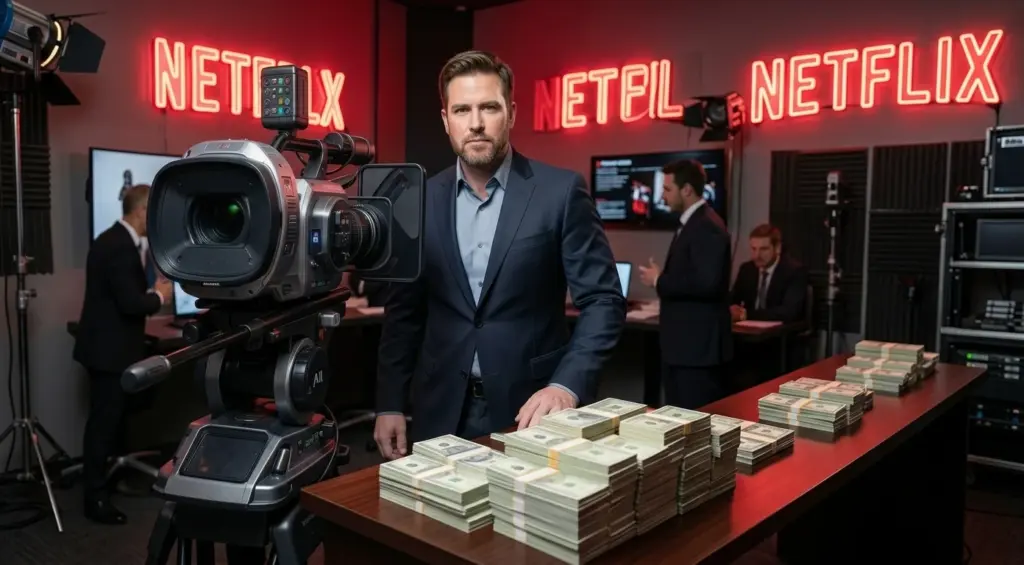
Here’s the math that’s turning heads: $587 million in cash, spread across a team of just 16 people. Work it out and you’re looking at roughly $36.7 million per employee a number that would sound absurd for almost any other kind of company. InterPositive wasn’t some flashy, publicly-tracked unicorn either. Affleck started it quietly in 2022 and kept it in stealth mode the whole time.
So what does Netflix Pays for Ben Affleck’s AI Filmmaking money actually buy? Not a tool for generating movies out of thin air. The tech is aimed squarely at post-production headaches patching missing shots, fixing lighting that doesn’t match between takes, smoothing over continuity slip-ups, and touching up visual effects. It’s less “AI makes the movie” and more “AI cleans up after the movie’s already been shot.”
Why the Price Only Just Came Out
Netflix first announced the acquisition back in March. Affleck said at the time he wanted to protect the value of human creativity in filmmaking but nobody put a dollar figure on the deal. That silence lasted until a routine quarterly filing finally spelled it out: a business combination worth roughly $587 million, all cash.
Funny enough, this isn’t far off from what people were already guessing. Bloomberg had floated a number as high as $600 million months earlier, tying part of that figure to performance targets Affleck and InterPositive’s investors could hit down the line, with the upfront cash coming in somewhat lower. Turns out that early estimate wasn’t far off the mark at all. Also Read How Modular Data Centers Solve AI’s Infrastructure Problem
Why Netflix Pays for Ben Affleck’s AI Filmmaking Company in Particular
It’s worth asking: why spend this kind of money instead of just building similar tools internally? Part of it comes down to who’s behind the company. Affleck isn’t some outside tech founder guessing at Hollywood’s problems he’s a director who’s actually lived through them. InterPositive was built around a simple idea: keep the creative decisions with the filmmakers, and let AI handle the technical grunt work behind the scenes.
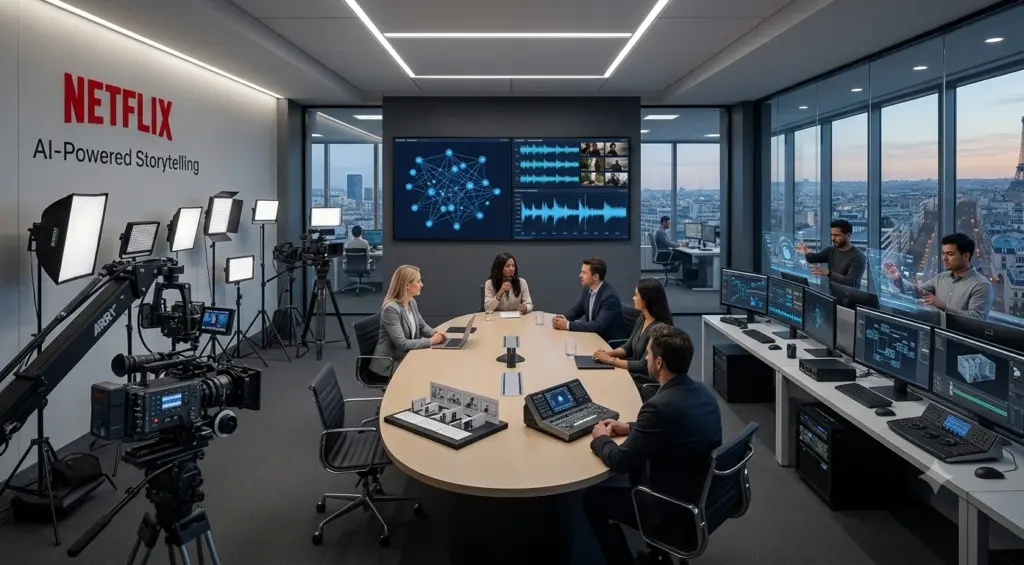
The tools work by training a model on a production’s own dailies the raw, unedited footage from a shoot and then using that model to help with things like color, relighting, and visual effects. No generic AI-generated video tricks. That framing matters a lot right now, especially with actors’ and writers’ unions still wary of anything that smells like AI replacing human jobs.
Affleck’s New Role at Netflix
This wasn’t just a software purchase. The whole InterPositive team came over with the deal, and Affleck himself signed on as a senior advisor at Netflix. That means the same engineers, researchers, and creatives who built the original tech are still the ones developing it, just under Netflix’s roof now.
Affleck has talked about his reasoning pretty openly. He’s described feeling a responsibility to his peers and to the industry to protect human creativity, and said building InterPositive was his way of doing that. He’s also tied the moment to bigger shifts in film history — the jump from film to digital, the rise of motion capture, the arrival of virtual production framing AI as just the next chapter in a long pattern of tools evolving alongside the artists using them. Also Read Is Netflix Invented Binge Watching Now or It May Have Outgrown It?
The Tech Is Already in Use
This isn’t some acquisition sitting untouched on a shelf. On Netflix’s most recent earnings call, co-CEO Ted Sarandos said generative AI workflows are already running across roughly 300 Netflix productions, with post-production work making up the bulk of that usage. According to him, it’s helping crews finish complicated sequences faster and cheaper.
One example he gave: the Tom Hanks-backed documentary series The American Experiment used 17 minutes of AI-enhanced footage, finished in half the time and at half the cost compared to older methods. That’s a pretty concrete result, and probably a preview of what Netflix is hoping to replicate more broadly now that InterPositive’s team is fully on board.
Not Everyone’s Convinced the Price Makes Sense
Plenty of people in the industry are raising eyebrows at the number itself. A 16-person startup, no matter how sharp its technology, pulling in a nine-figure price tag is a hard pill to swallow when you consider what an internal engineering team might have built for a fraction of the cost. Over $36 million per employee is an eye-watering multiple by almost any standard tech, entertainment, or otherwise. Some of the skepticism boils down to a simple theory: Netflix wasn’t just buying software, it was buying Affleck’s name and the credibility that comes with it.
What It Means for Hollywood Going Forward
Justified price tag or not, the move sends a clear signal. Netflix Pays for Ben Affleck’s AI Filmmaking company because it wants to be seen doing AI the “right” way assisting filmmakers instead of replacing them. With around 300 productions already using some form of generative AI, Netflix seems to be betting that leading with craftsmanship, rather than pure cost-cutting, is the smarter way to navigate the tension that’s still simmering between studios, streamers, and the unions keeping a close eye on how AI reshapes the industry.